
Building a Classic Mob Farm in Minecraft Java Edition: Step-by-Step Guide
A detailed step-by-step guide to building a classic Mob Tower in Minecraft Java Edition. Design, preparation, and construction steps.
How to build a classic mob farm in Minecraft Java Edition
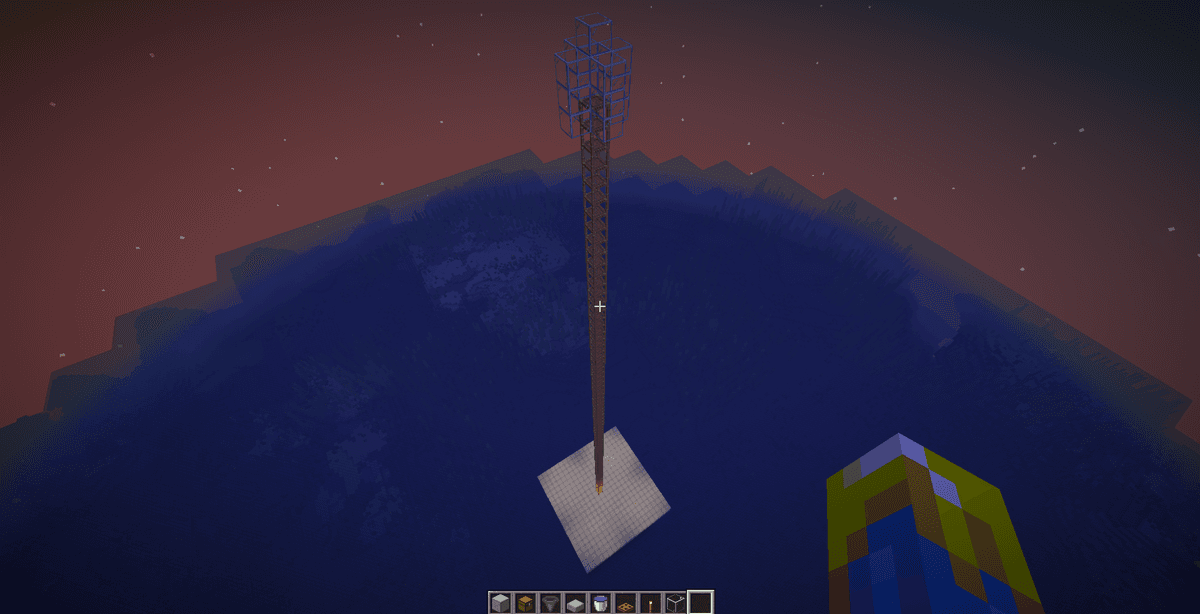
Building a classic Mob Tower allows you to obtain a large amount of valuable resources, such as gunpowder, string, bones, rotten flesh, and arrows, as well as quickly accumulate experience for enchanting items. This structure works on the principle of creating a dark room for hostile mobs to spawn, which are then washed away by water into a deep drop shaft, from where they fall to a collection point. Properly constructing this farm in the air or over a deep ocean ensures its high efficiency without the need to spend time on complex cave lighting underground.
Preparation
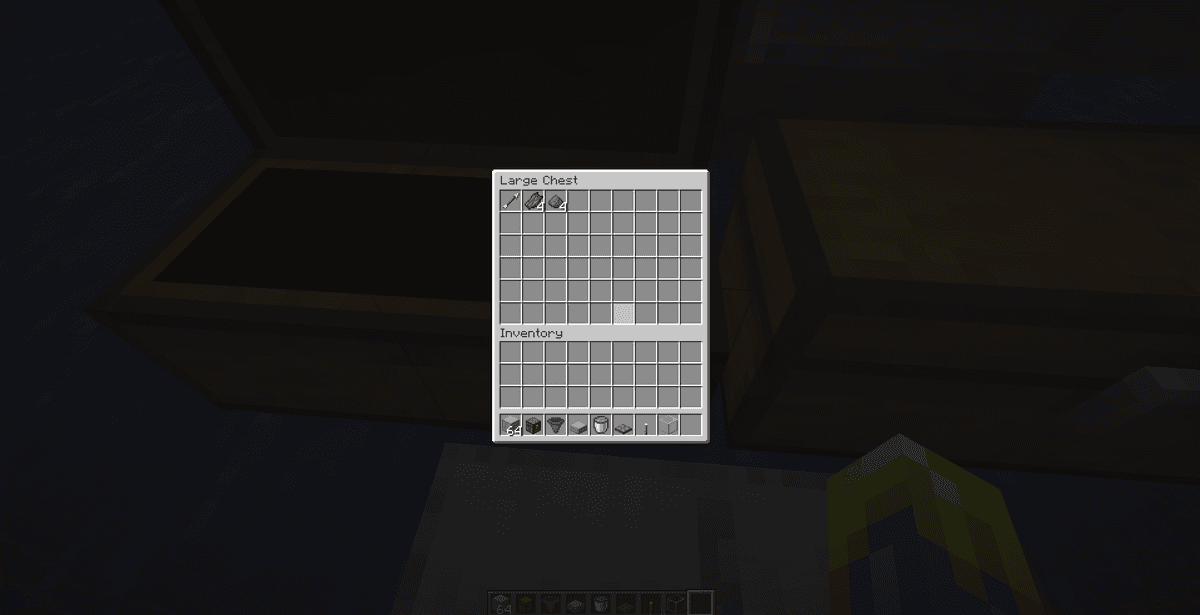
To build a mob farm, you will need the following materials:
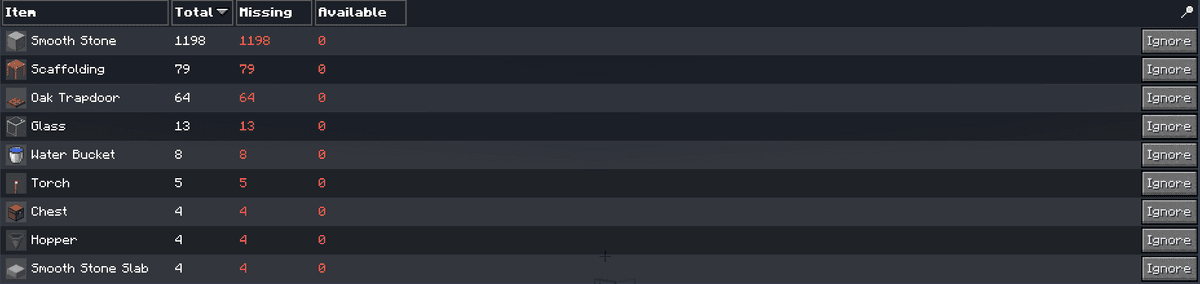
The experience level for building does not matter. The estimated time to build the structure in survival mode is 30–40 minutes.
Step 1. Choosing a location and setting up the collection system
For maximum efficiency of the farm, it is best to build it over a deep ocean or at such a height that the resource collection point is at height Y=120 or above. This prevents mobs from spawning in underground caves and on the ground surface below the farm.
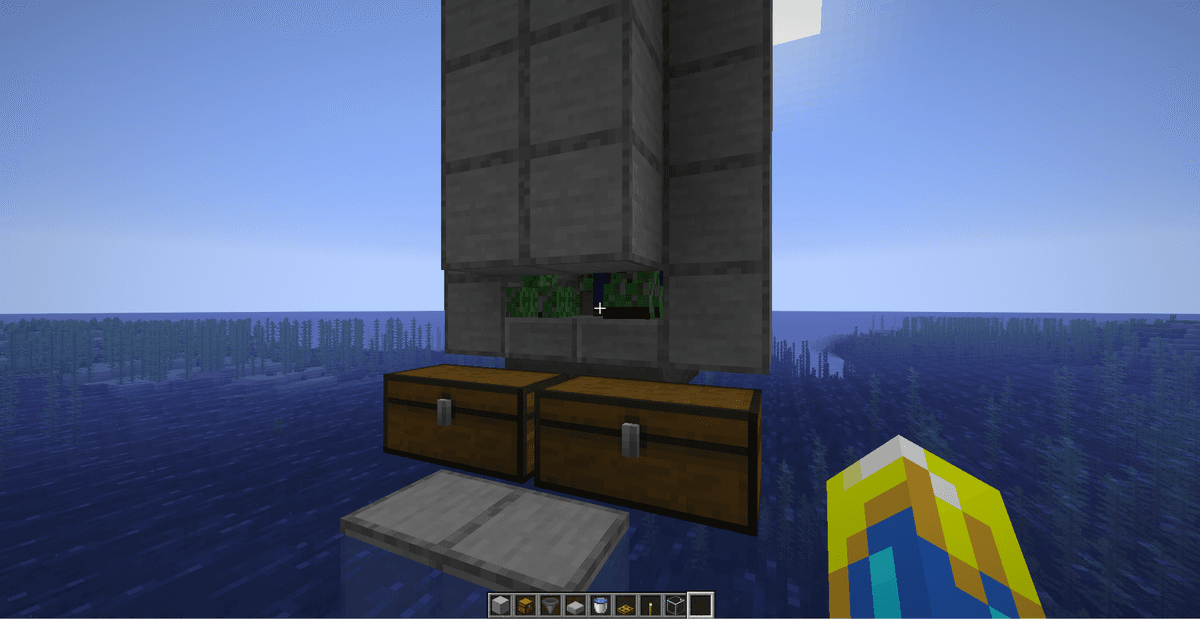
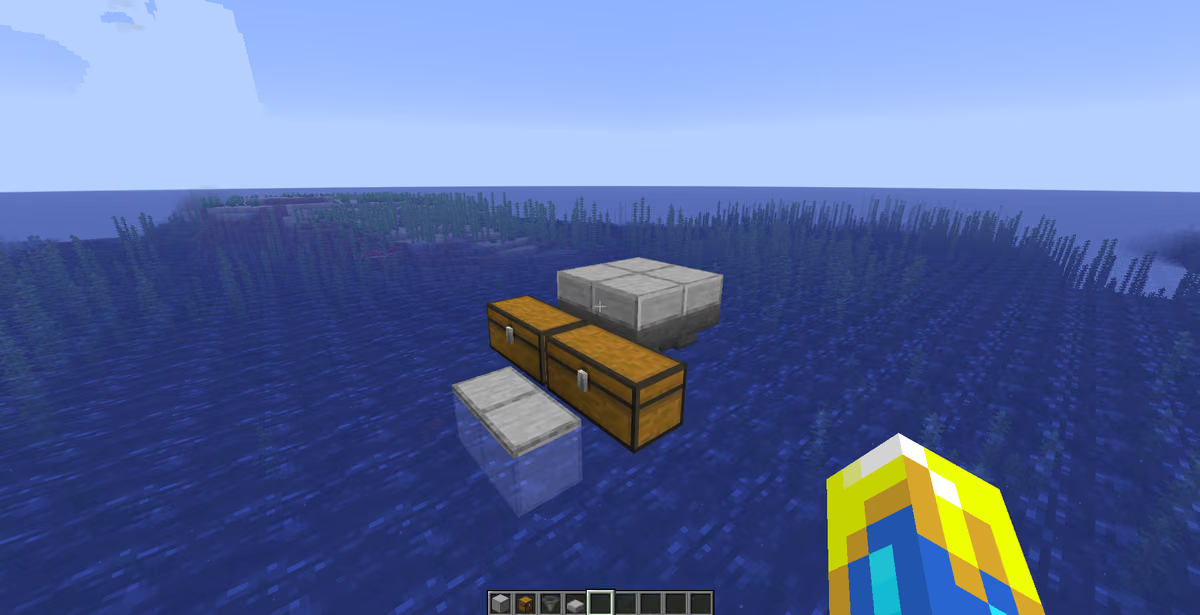
Place two double chests next to each other on the ground or on a prepared platform. Connect 4 hoppers to the back of the chests in a 2x2 square shape so that the funnels face the chests. Place 4 slabs on top of the hoppers — this will leave a small half-block gap through which you can hit the mobs' legs, but which will prevent baby zombies from running out.
Step 2. Building the drop shaft
Around the hoppers, build the walls of the shaft out of cobblestone so that a 2x2 block free space is formed inside. Raise the walls of this shaft exactly 22 blocks up from the level of the slabs.
This height is critical: when falling from a height of 22 blocks, most regular hostile mobs (zombies, skeletons, creepers) lose almost all their health, leaving them with 1 HP. This will allow you to kill them with a single hit of your hand or sword to gain experience.
Note: if you only need the loot in automatic mode, raise the shaft walls to 23.5 blocks. In this case, the mobs will die from the fall automatically, and the hoppers will direct the collected resources into the chests.
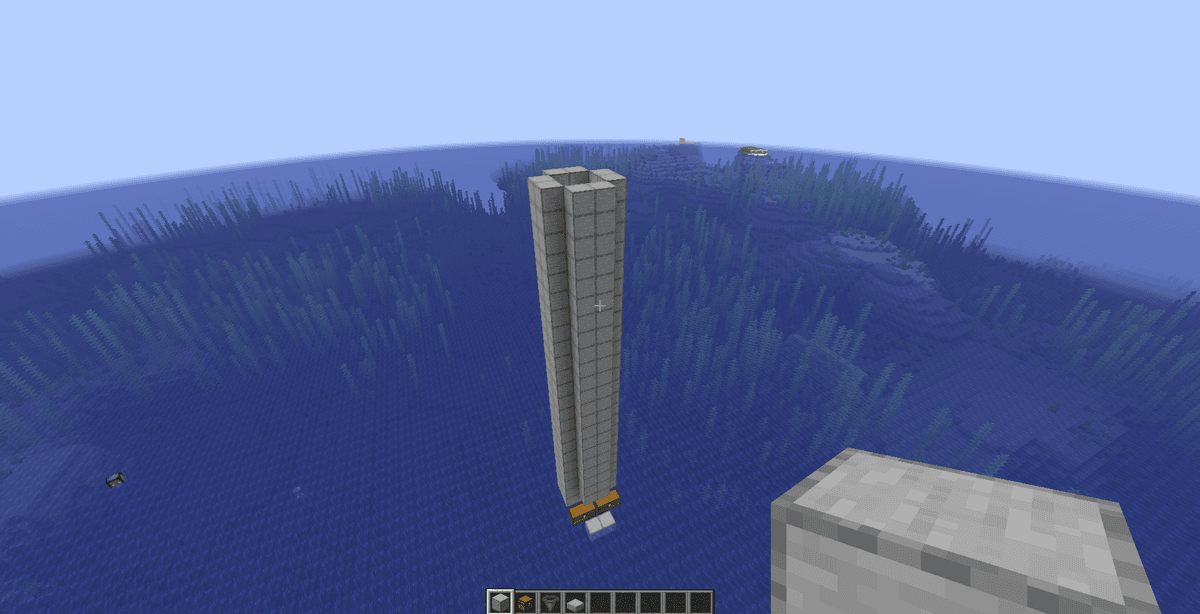
Step 3. Building water channels
Once you reach the top of the drop shaft, build channels 8 blocks long and 2 blocks wide extending outward from each of the four sides of the 2x2 opening. Build 2-block high borders along the edges of these channels.
A length of 8 blocks is mandatory, as the placed water flows exactly 8 blocks and stops right before the edge of the drop shaft, without flowing down. Place two water buckets at the end of each of the four channels.
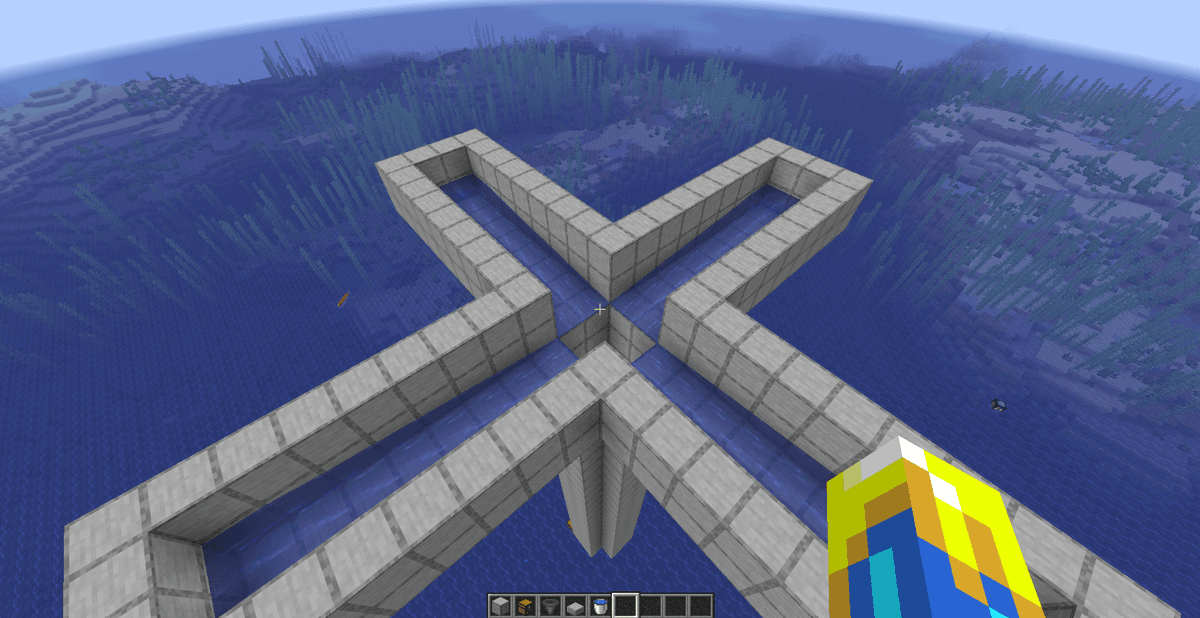
Step 4. Creating spawn platforms and placing trapdoors
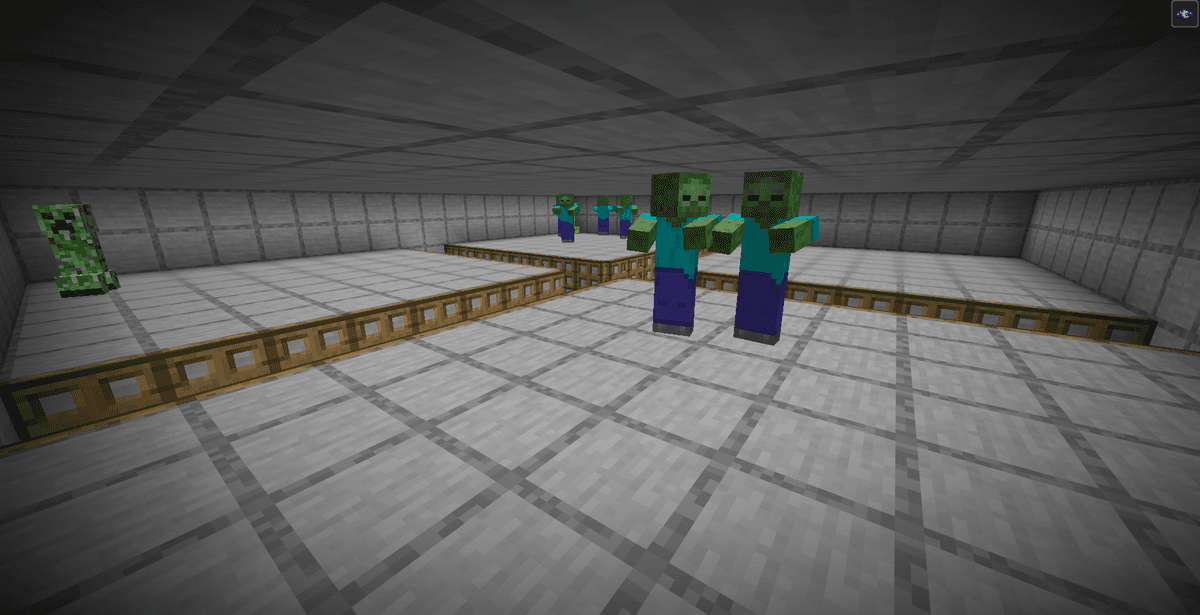
Fill the corners with blocks between the water channels to form four large square platforms, each 8x8 blocks in size. Mob spawning will occur on these platforms.
Place wooden trapdoors along the upper edges of the inner walls of the water channels and make sure to open them. The artificial intelligence of hostile mobs perceives open trapdoors as full solid blocks. Mobs will try to walk over them, lose their footing, and fall into the water, which will wash them into the central shaft.
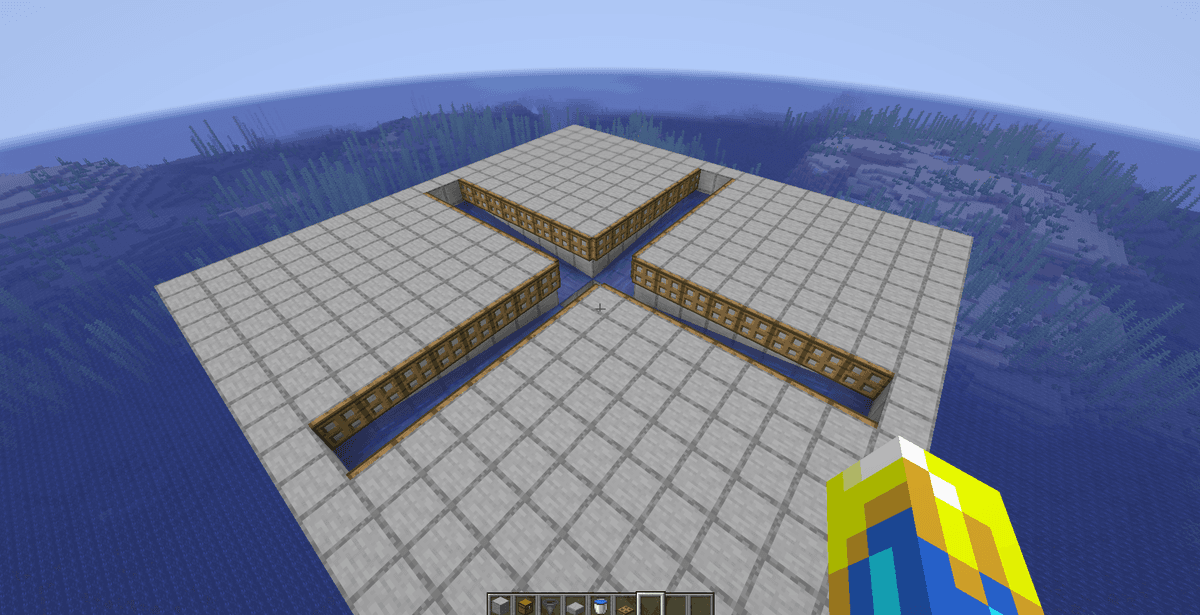
Step 5. Building the walls and roof
Build 3-block high exterior walls around the spawn platforms. After that, completely cover the top opening with a cobblestone roof to create complete darkness inside the platforms. The light level inside must be 0, otherwise mobs will not spawn.
To prevent mobs from spawning on the outside of the roof, place torches or cover the entire surface of the roof with bottom half-block slabs, where mobs cannot spawn.
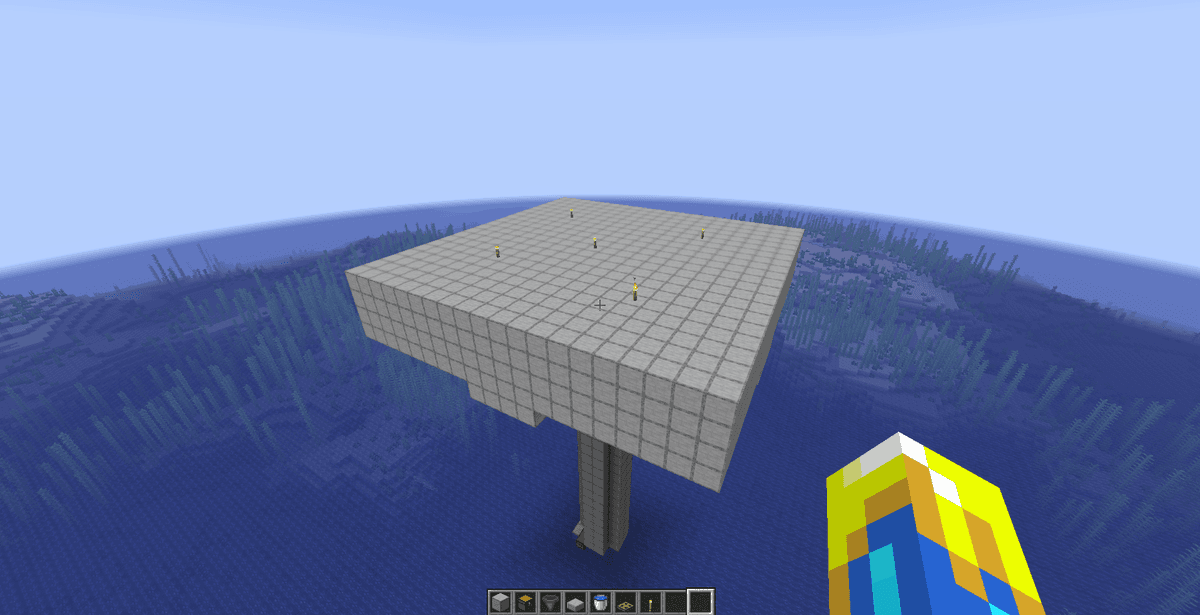
Step 6. Starting the farm and AFK rules
To start the farm, move a safe distance away from the spawn room. Keep in mind the spawning mechanics for hostile entities in Minecraft Java Edition:
Mobs do not spawn closer than 24 blocks from the player.
Mobs stop moving and randomly despawn if the player is further than 32 blocks away.
Mobs instantly despawn if the distance to the player exceeds 128 blocks.
The best waiting spot is located at a height of about 80 blocks above the roof of the farm or at a distance of 25–30 blocks from its side wall.
Common building mistakes
The farm might operate inefficiently or yield no resources at all due to these common mistakes:
Insufficient cave lighting: if you build the farm low to the ground, the game will spawn mobs underground within a 128-block radius around you, filling the hostile entity cap.
Incorrect drop height: a drop from less than 22 blocks will not remove enough health from the mobs, and you will have to hit them multiple times. A height of more than 23 blocks will cause premature death of creepers or skeletons at the experience collection point.
Missing trapdoors: without trapdoors, mobs will rarely walk into the water on their own, critically reducing the speed of the farm.
Alternatives and improvements
If the classic tower farm seems too simple, you can consider the following alternatives:
Spawner farm: uses a zombie or skeleton spawner found in a mineshaft. It is easier to build, but yields only one type of resource.
Enderman farm in The End: built on the edge of The End dimension. It is much more efficient for gaining experience, but requires defeating the Ender Dragon to access the dimension.
Conclusion
The classic Mob Tower is the best starting source for gunpowder and experience in the early game due to cheap materials and simple construction. The main limitation of the design is its reliance on clearing surrounding caves if you build it low to the ground. This method is optimal for single-player survival in the first few in-game days, whereas in the later stages of the game it is better to build more specialized farms in other dimensions.
Leave a comment
Links will be stripped
No comments yet. Be the first to share your thoughts.