Fabric Seasons — an atmospheric mod for adding dynamic seasons in Minecraft
Fabric Seasons adds four 28-day seasons to Minecraft 1.16.5–1.21.1, affecting biome temperature, precipitation, and crop growth…
Fabric Seasons adds four 28-day seasons to Minecraft 1.16.5–1.21.1, affecting biome temperature, precipitation, and crop growth; configurable via seasons.json and /season commands.
Fabric Seasons — an atmospheric mod for adding dynamic seasons in Minecraft
Minecraft version the article was tested and written on: 1.21.1
Supported version range: 1.16.5 – 1.21.1
Dependencies: Fabric API
Fabric Seasons adds four full seasons to Minecraft — spring, summer, autumn, and winter. Each lasts 28 in-game days and affects biome temperature, precipitation, crop growth, and the appearance of nature.
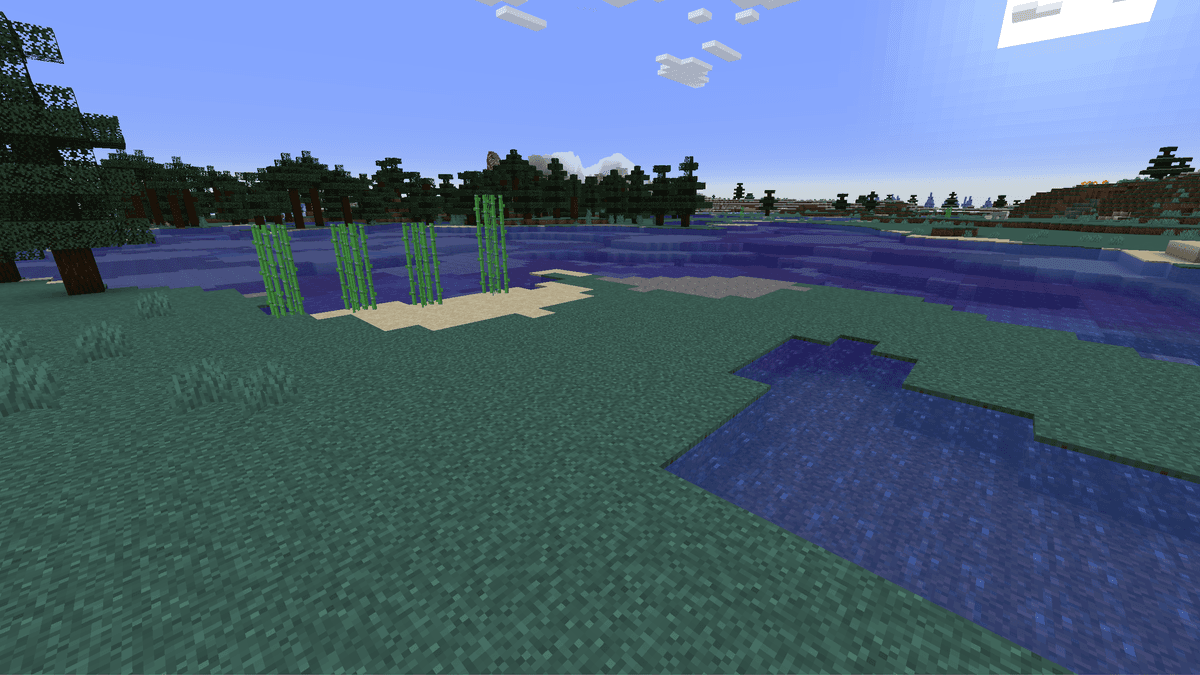
A biome in summer with green grass and leaves
How the season is determined
The current season is tied to world time. One full cycle lasts 112 in-game days — 28 for each of the four seasons.
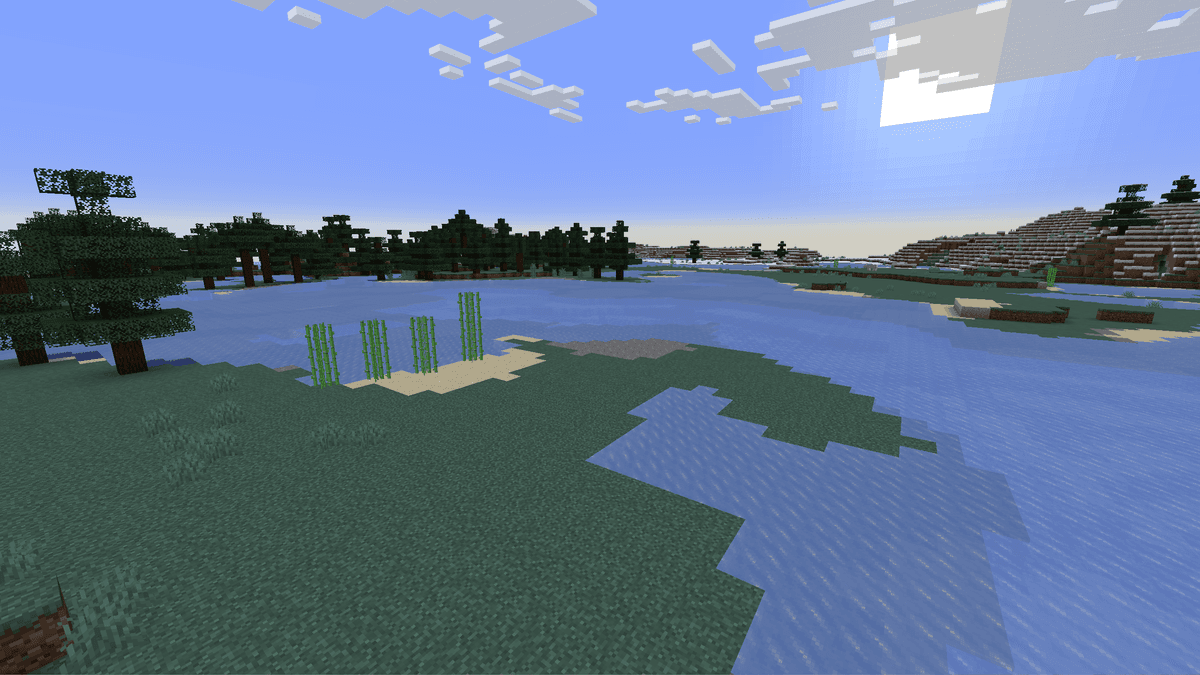
The same biome in spring
By default, seasonality only affects the Overworld. The Nether and the End are excluded from the mod's effects — the logic of the seasons is built around biome temperature and precipitation, which do not work in these dimensions.
Biome behavior
The mod groups all Overworld biomes into five categories based on base temperature. The category determines how the biome reacts to season changes.
Biome Category | Behavior throughout the year |
Permanently Frozen | Remain frozen all year round |
Usually Frozen | Melt in summer, return to normal in winter |
Temperate | Ice-free in spring and summer; covered in snow in winter |
Usually Warm | Freeze only in winter |
Hot | No ice all year round; it rains in winter instead of standard dryness |
Plains biomes get covered in snow in winter and return to green grass in spring. Deserts and savannas transition into a winter rainy season — this is the most noticeable change for a player used to constantly dry landscapes. In jungles and mangrove swamps, seasonal changes are minimal: the tropical category ignores most fluctuations.
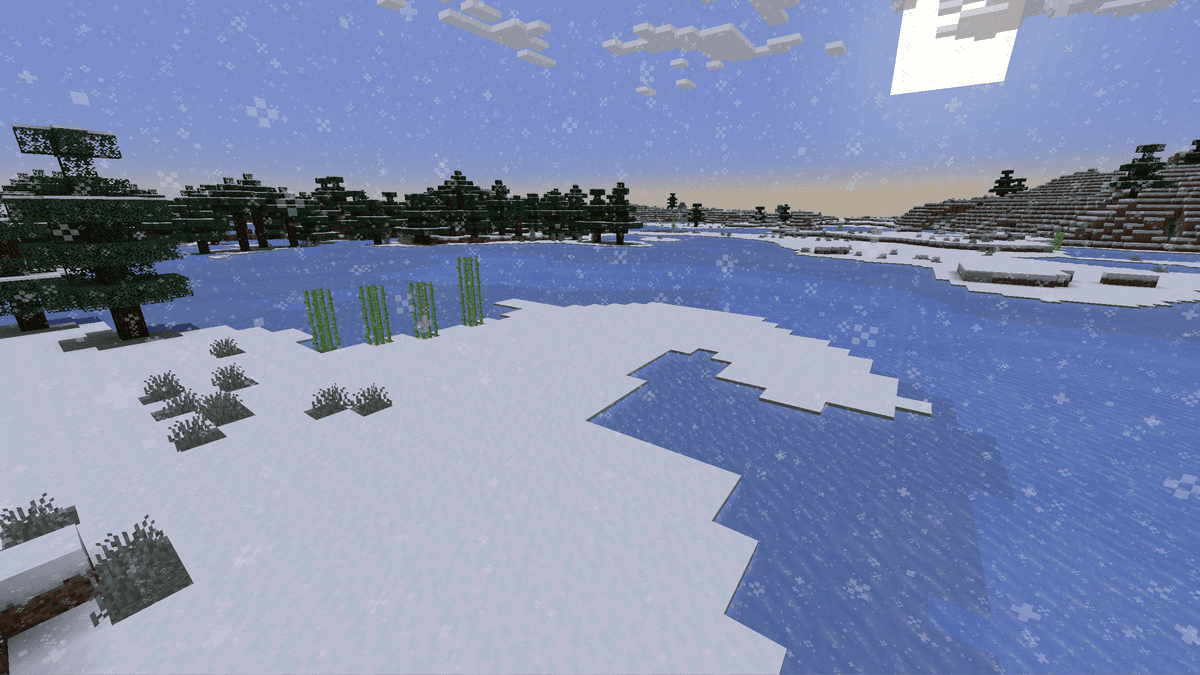
The same biome in winter under a layer of snow
Crops and animals
Each crop has four separate growth rates, one for each season. The growth rate for each season is set via the mod's datapack. In spring and summer, plants grow the fastest, in autumn — slower, in winter — minimally.
This affects farm planning. Automated systems with pistons and observers continue working in any season, but the crop yield during the winter cycle will be significantly smaller. For players keeping large fields as a main food source, it makes sense to stock up during the summer months for winter.
By default, bone meal is independent of the season — the time of year only affects natural maturation, while manual acceleration works as in vanilla. You can enable seasonal influence on it in the config: then the chance to accelerate growth in winter will noticeably decrease.
Animals breed in any season by default. If the corresponding option is disabled, cows, pigs, chickens, and other livestock will stop accepting breeding food until spring.
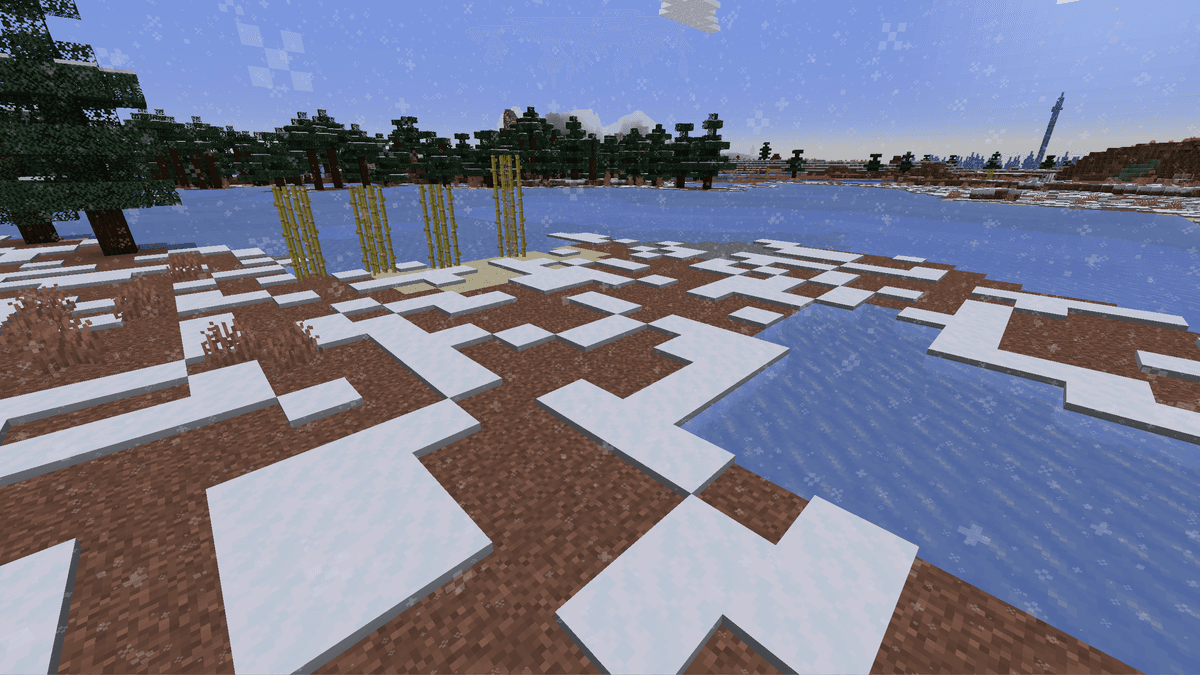
The same plains biome in autumn with altered vegetation colors
Mod commands
To manage seasons, the mod adds a few utility commands. The command /season query shows the current season in the world, which is convenient for checking active effects and environmental changes. Via /season set <season> you can manually set the desired season without waiting for a natural cycle change, and /season skip instantly skips the world to the next season. These commands are especially useful when testing farms, checking seasonal mechanics, and building, when you need to quickly assess the look of a location or the performance of certain systems in different seasons.
Configuration
The seasons.json file is located in the config folder. After changing parameters, you need to restart the client or server. Below are the parameters most often changed in actual modpacks.
Parameter | What it does |
| The season a new world starts with. Values: |
| The duration of the respective season in game ticks. Decreasing this number accelerates the yearly cycle |
| If |
|
|
|
|
|
|
|
|
Besides the listed ones, the file contains biome lists (biomeDenylist, biomeForceSnowInWinterList), where you can add or remove specific biomes from seasonality, as well as a range of minor toggles, like whether snow covers vegetation and whether ice breaks sugar cane. For most players, these parameters don't need to be changed — the default values are tailored to vanilla behavior.
Conclusion
Fabric Seasons solves one specific task — it adds a realistic yearly cycle to the Minecraft Overworld without additions in the form of new blocks, items, or recipes. The mod works through a biome temperature shift and a layer of color maps on the client, thus integrating cleanly and not affecting vanilla progression. Suitable for survival servers that want to make a long game more rhythmic, and for single-player playthroughs aimed at realism. If changing seasons is not needed in a specific project, it's easy to lock one season in the config via isSeasonLocked: true — the mod will only use seasonal visual changes.
Installation
A typical installation takes about 5 minutes. The flow is the same; only the loader and the matching build differ.
- 1Install a mod loader (Forge, Fabric or NeoForge) that matches your Minecraft version.
- 2Download the mod file (.jar) built for that same version.
- 3Place the .jar into your .minecraft/mods folder.
- 4Launch Minecraft with the modded profile and check the mod loads in-game.
 Installing Mods in Minecraft: A Guide for Forge, FabricLearn how to install mods in Minecraft with this step-by-step guide for Forge and Fabric. Improve your game with new features, tools, and mechanics!Open the install guide